Understanding the Impact of World Rugby's New Tackle Height Rules on Grassroots Rugby
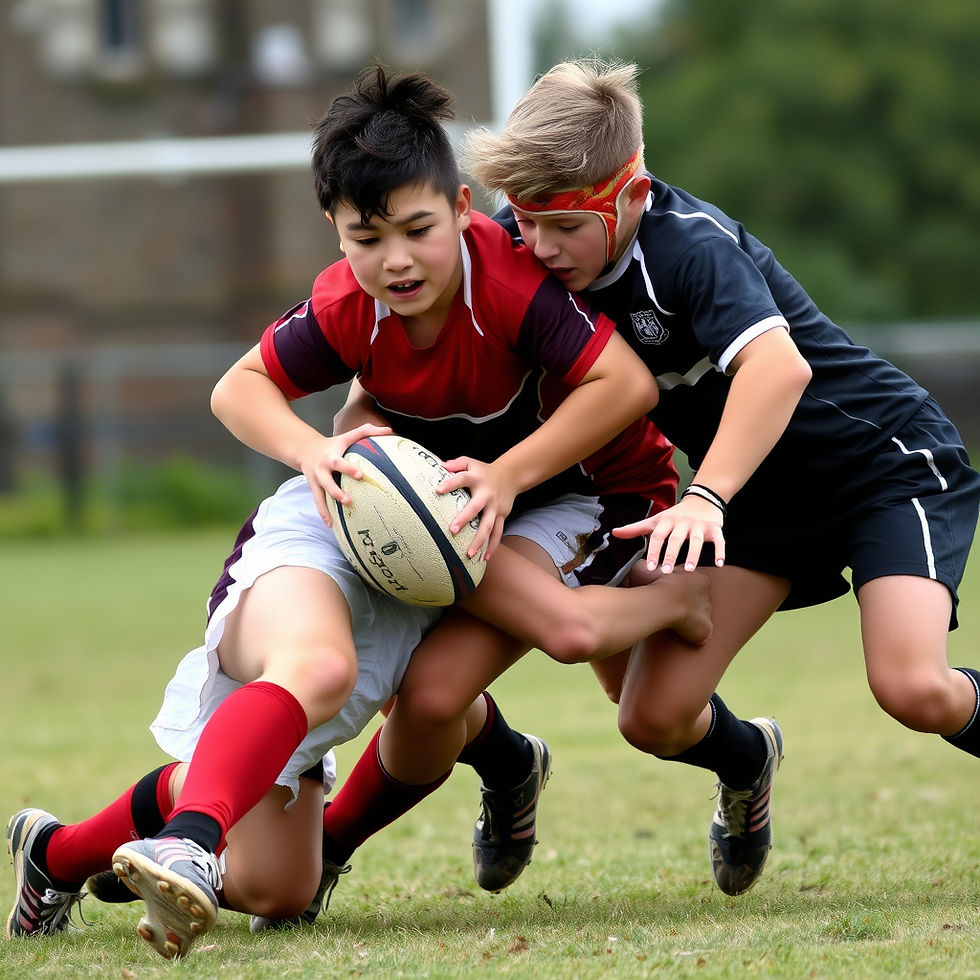
World Rugby recently announced a significant change to the tackle height in community rugby games. This update aims to improve player safety, especially for youth players, by lowering the legal tackle height. The decision has sparked conversations among grassroots clubs, coaches, parents, and players about how this change will affect the game at the community level. This post explores the reasons behind the new tackle height rules, their implications for grassroots rugby, and how clubs and families can adapt to these changes.

Why World Rugby Lowered the Tackle Height
The primary reason for lowering the tackle height is player safety. Research has shown that high tackles increase the risk of head and neck injuries, including concussions. By encouraging tackles below the shoulder line, World Rugby aims to reduce these risks and create a safer playing environment for all, especially young players who are still developing physically and mentally.
Lowering the tackle height also aligns with the sport’s commitment to safeguarding players and promoting long-term participation. Safer tackling techniques help build confidence among youth players and reassure parents and guardians that rugby is a sport where safety is a priority.
Implications for Grassroots Clubs and Youth Players
Grassroots clubs face both opportunities and challenges with the new tackle height rules. Coaches must now focus on teaching safe, effective low-tackle techniques while unlearning some traditional habits. This shift requires time, patience, and clear communication.
For youth players, adapting to the new tackle height means developing new muscle memory. Tackling is a skill built over time, and changing the target area can feel unnatural at first. Coaches should emphasise drills that reinforce correct positioning and safe contact zones to help players adjust smoothly.
Parents and guardians often express mixed feelings. Many welcome the safety improvements but worry about how quickly their children can adapt without losing confidence. Open dialogue between coaches and families is essential to address concerns and share progress.
Challenges of Changing Tackling Techniques
Changing tackle height involves more than just telling players to aim lower. Many players have years of experience tackling at shoulder height or above. Muscle memory can make it difficult to break old habits, especially under pressure during games.
Coaches need to:
Use repetitive drills focusing on low tackles
Provide positive feedback to reinforce new techniques
Encourage players to stay relaxed and confident during tackles
Monitor progress and adjust training plans accordingly
This process takes time, but with consistent effort, players can develop safer tackling habits that protect themselves and their opponents.
Perspectives from Established Players
Several professional players have shared their views on the tackle height change. Many support the move, recognizsing the importance of protecting younger players. Some have noted that adapting to lower tackles at the elite level has improved their defensive skills and reduced injury risk.
For example, a Premiership Rugby player mentioned that focusing on low tackles helped him maintain better balance and control during contact. This insight highlights how the new rules can enhance technique and safety across all levels of the game.
Reactions from Parents and Guardians
Parents and guardians play a crucial role in supporting young players through this transition. Many appreciate the focus on safety but want reassurance that their children will still enjoy the game and develop their skills.
Common concerns include:
Whether the new tackle height will slow down the game
How referees will enforce the rules consistently
The risk of players being penalized unfairly during the adjustment period
Clubs can help by hosting information sessions, sharing resources on the new rules, and maintaining open communication channels with families.
Comparing Tackle Height Rules Across Major Leagues
Tackle height interpretations vary across top rugby competitions, which can influence how players adapt internationally.
Premiership Rugby (England): Emphasises strict enforcement of low tackles, with referees quick to penalize high contact.
Top 14 (France): Traditionally more lenient on tackle height but moving towards stricter rules to improve player safety.
United Rugby Championship (URC): Aligns closely with World Rugby’s guidelines, focusing on consistent low tackle enforcement.
Southern Hemisphere Leagues (Super Rugby): Known for fast-paced, physical play, but also adopting lower tackle height rules to reduce injuries.
These differences mean players moving between leagues or playing internationally must adjust their tackling style. Consistent coaching at the grassroots level can prepare young players for these variations and help them perform confidently on any stage.
How Differences in Tackle Height Affect International Team Performance
International teams face challenges when players come from leagues with different tackle height standards. Players used to higher tackles may struggle with stricter enforcement, leading to penalties or missed tackles. Conversely, those trained with low tackle emphasis often show better defensive discipline and fewer injuries.
Teams that invest in consistent tackling education from youth levels tend to perform better internationally. They adapt quickly to rule changes and maintain strong defensive structures. This highlights the importance of grassroots clubs adopting the new tackle height rules early and thoroughly.
Supporting Coaches and Safeguarding Officers
Coaches and safeguarding officers are key to implementing these changes successfully. They should:
Stay updated on World Rugby’s guidelines
Provide clear, practical training on low tackle techniques
Monitor player welfare and injury reports
Engage parents and guardians with transparent communication
Use resources from organisations like FearLess Rugby and TREDS to build confidence and safety awareness
By working together, clubs can create a positive environment where young players thrive and enjoy rugby safely.


Comments