Navigating the Transition from U8 to U9: Embracing Contact in Youth Sports
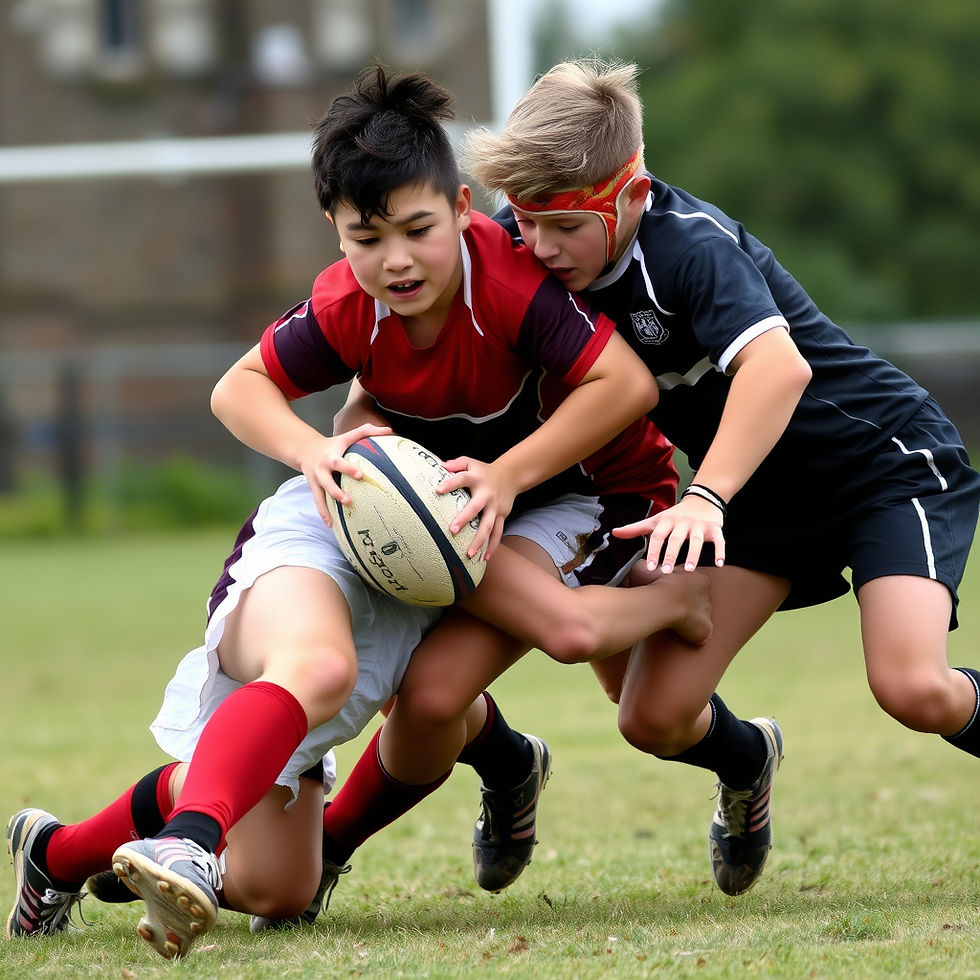
The jump from U8 to U9 in youth sports marks a big step for young athletes. At this stage, the game changes in ways that can feel both exciting and intimidating. One of the biggest changes is the introduction of contact as a key part of play. For many kids, this is the first time they experience tackling or physical challenges on the field or court. Understanding why contact matters, how it shows respect for opponents, and how to support young players through this transition can make a huge difference in their confidence and enjoyment of the sport.
Why Contact Becomes Important at U9
At the U9 level, coaches start to introduce more realistic elements of the sport, including contact. This shift helps players develop skills that are essential as they grow and compete at higher levels. Contact is not about roughness or aggression; it is a natural part of many sports that teaches players how to protect themselves, compete fairly, and respect others.
Contact helps players:
Build physical confidence: Learning how to handle contact safely makes kids feel stronger and more capable.
Understand game dynamics: Contact changes how players move, defend, and attack, adding depth to their skills.
Develop respect for opponents: Physical challenges require players to recognize each other’s effort and strength.
Introducing contact at this stage prepares children for the realities of competitive sports while keeping safety and respect front and center.
Contact as a Form of Respect
It might seem surprising, but contact in youth sports is actually a way to show respect. When players engage physically, they acknowledge each other’s presence and effort. Tackling or blocking is not about hurting the other player; it is about competing fairly and testing skills.
Respect through contact means:
Playing within the rules: Contact should always be controlled and follow the sport’s guidelines.
Recognising effort: A good tackle or block shows appreciation for the opponent’s skill and determination.
Building sportsmanship: Players learn to shake hands, help each other up, and accept challenges gracefully.
Teaching kids that contact is a respectful part of the game helps reduce fear and encourages positive attitudes toward competition.
Challenges Young Players Face with Contact and Tackling
For many children, the idea of contact can be scary. They may worry about getting hurt or feel unsure about how to tackle or be tackled. These fears are normal but can hold kids back from fully enjoying the game.
Common challenges include:
Fear of pain or injury: New physical contact can feel intimidating.
Lack of confidence: Kids may hesitate if they don’t know the right techniques.
Anxiety about fairness: Some players worry that bigger or stronger opponents will hurt them.
Emotional stress: Contact can feel overwhelming, especially if a child has had a bad experience.
Understanding these challenges helps coaches and parents provide the right support to ease anxiety and build confidence.
Practical Tips for Coaches and Parents to Ease Fear Around Tackling
Helping young players feel safe and confident with contact requires patience and clear guidance. Here are some practical ways coaches and parents can support kids during this transition:
Teach proper techniques early
Show kids how to tackle or block safely using step-by-step instructions. Use drills that focus on form before full contact.
Use positive language
Encourage players by praising effort and bravery, not just success. Avoid negative comments about fear or mistakes.
Create a safe environment
Make sure all players understand the rules and that referees enforce them consistently. Emphasize fair play.
Start slow and build up
Begin with light contact drills and gradually increase intensity as players become more comfortable.
Model respect and sportsmanship
Coaches and parents should demonstrate respectful behavior during games and practices.
Encourage open communication
Let kids share their feelings about contact and listen carefully. Address concerns without dismissing them.
Focus on fun and learning
Remind players that making mistakes is part of growing and that the goal is to enjoy the game.
Bigger Players Do Not Mean More Pain
One common worry is that bigger or stronger players will cause more pain during contact. This is not necessarily true. Proper technique and control matter far more than size or strength. A well-taught tackle is safe and fair regardless of the players’ size.
Key points to remember:
Technique beats size
Players who know how to tackle correctly avoid unnecessary force and reduce injury risk.
Respect controls contact
Players who respect opponents will avoid reckless or dangerous plays.
Coaching balances differences
Coaches can pair players thoughtfully during drills and games to build confidence and fairness.
Safety equipment helps
Proper gear like mouthguards, pads, or helmets can protect players and reduce fear.
By focusing on skill and respect, players learn that contact is manageable and not something to fear.
Supporting the Transition with Encouragement and Patience
Every child adapts to contact at their own pace. Some may embrace it quickly, while others need more time and reassurance. Coaches and parents play a vital role in making this transition positive.
Ways to encourage young athletes:
Celebrate small victories, like trying a tackle or staying calm during contact.
Share stories of athletes who overcame fear and improved.
Keep practices fun and varied to maintain interest.
Remind players that everyone learns differently and that progress matters more than perfection.
With steady support, kids develop resilience and a healthy attitude toward contact and competition.


Comments